
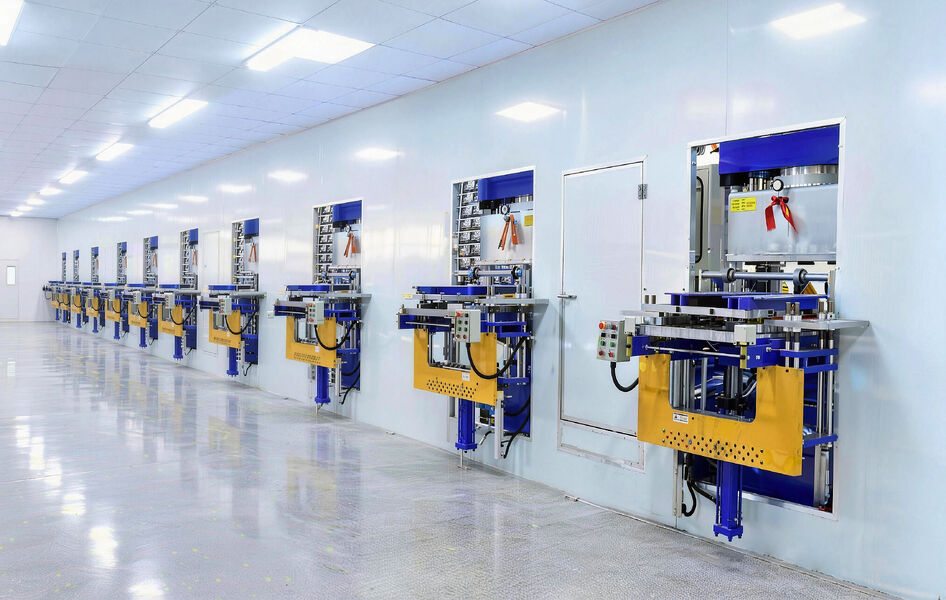
Longgang District, Shenzhen. Since 2012.
OEM is not customization. It is controlled manufacturing.
SHX wrote that on their own factory page. The rest of it is worth reading too:
Many suppliers describe OEM as "logo printing + color changes." That’s not OEM. That’s surface-level modification. Our OEM capability starts deeper, at the engineering, structure, and production feasibility level. We don’t just produce your design. We validate whether your design can survive real-world use, mass production, and long-term consistency.
2012
Established
100 to 150
Employees
200
Piece MOQ, negotiable
7 to 10
Business days to a prototype
ISO 9001
Certified quality system
Every figure is SHX’s own. Their About page and quality page both say 2012; their FAQ says 2008. The two that agree are used here, and the third is printed on the Method page rather than dropped.
Seven materials, seven different test lists
This is the part of SHX’s site that no competitor page answers. Each material is inspected on its own properties, and the properties are not interchangeable: silicone is checked for skin contact, FKM for what degrades it, leather for how it ages, textiles for how they wear.
- Silicone48Tensile strength, Tear resistance, Elastic recovery, Colour consistency, Skin-contact safety
- FKM and rubber24Chemical resistance, UV resistance, High-temperature performance, Aging resistance
- Leather48Surface quality inspection, Thickness consistency, Colour fastness, Flexibility testing
- Stainless steel28Salt spray resistance, Buckle pull strength, Surface durability after finishing
- Nylon16Abrasion resistance, Weaving consistency, Colour stability
- Canvas4Abrasion resistance, Weaving consistency, Colour stability
- TPU and TPE35Tensile strength, Elastic recovery, Colour consistency
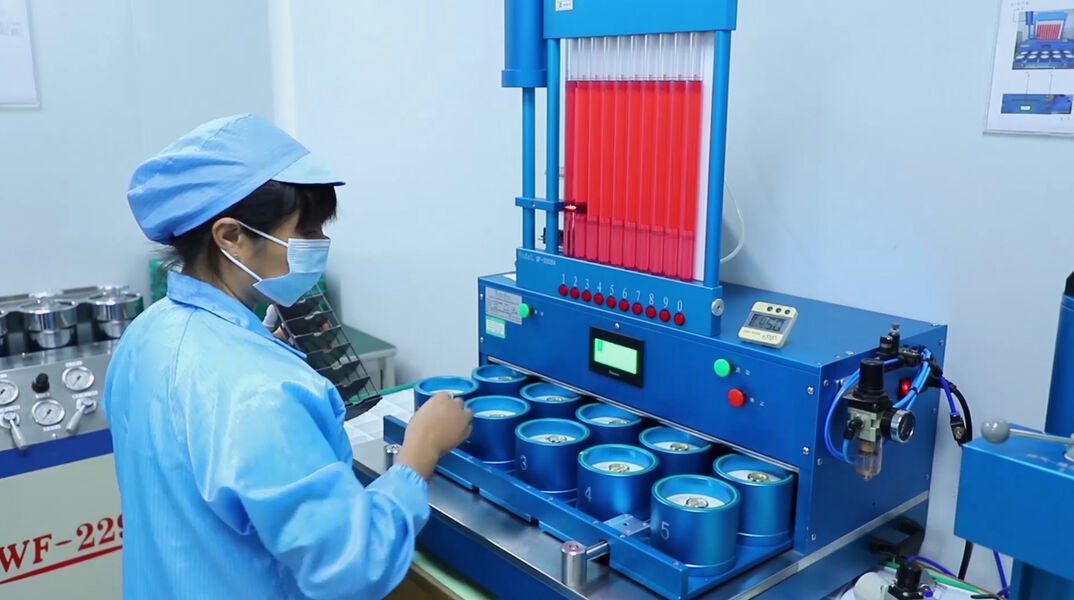
Six tests, in their own words
Run in house, on the rig below.
- Tensile strength
- Evaluates the force required to stretch or break watch strap materials under load.
- Buckle pull
- Verifies the structural reliability of buckles, spring bars, and connection points.
- Fatigue
- Simulates repeated bending and daily wearing conditions.
- Salt spray
- Assesses corrosion resistance of metal components and buckles.
- Abrasion
- Measures wear resistance of strap surfaces during prolonged use.
- Colour fastness
- Ensures material colors remain stable under friction, moisture, and environmental exposure.
They also write
Twelve pieces through 2026 on tariffs, material resilience, colour data and how to vet a supplier. Almost no strap factory publishes anything like it, and almost nobody finds it.
- Case studyHow Global Tariffs Are Reshaping Watch and Watch Strap Supply Chains in 2026
- Case studyFrom Conflict to Cost Control: How Real World Events in 2026 Are Changing Watch Strap Orders
- Case studyHow OEM Watch Bands Survive Tensile and Salt Spray
- Case studyNeutral Colors vs Bold Colors: What 12 Months of Sales Data Revealed About Real Buyer Behavior
- Case studySustainability That Sells: How Eco-Friendly Materials Increased B2B Client Retention